
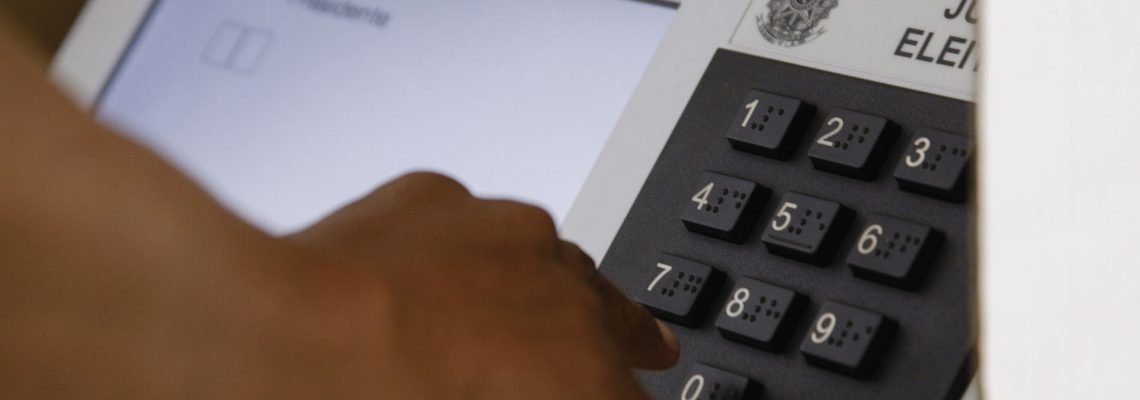
Brazil is preparing for the October 4, 2026, elections with one of the world’s strictest AI regulatory frameworks, imposed by the Superior Electoral Tribunal (TSE) to combat misinformation and automated voter influence. The new rules, which came into force in March, expressly prohibit chatbots from providing recommendations, rankings, or opinions on candidates and require mandatory labeling of all synthetic content. Monitoring focuses on providers’ actual compliance, as tests conducted in mid-April 2026 revealed that several virtual assistants continue to generate politically biased responses, circumventing the TSE’s restrictions.
The Presidency and Vice-Presidency are rotating positions among the Ministers of the Federal Supreme Court (STF).
The former president of the TSE, Cármen Lúcia, who was succeeded by Nunes Marques, called AI one of the main electoral challenges, warning that its misuse could “contaminate elections,” especially considering that around 10% of voters could use AI to inform themselves.
Enforcement measures include strict bans in the final stages:
– Publication Prohibition: The publication, republishing, and paid promotion of synthetic content is prohibited in the 72 hours before the vote and in the 24 hours after.
– Provider liability: AI providers must offer specific reporting channels, and in the event of disputes, the burden of proof may be reversed in favor of the whistleblower if digital manipulation is technically complex to prove. Official campaign: Starting August 16, 2026, work on AI filters and traceability must be consolidated before the campaign formally launches.
President Lula signed two decrees on May 20, 2026, to strengthen the regulation of social networks and expand supervisory powers over big tech in Brazil. The new regulations implement decisions of the Supreme Federal Court (STF) and assign the National Data Protection Authority (ANPD) responsibility for monitoring compliance with the Court’s obligations. Many journalists are alarmed by the “democratic dictatorship” of Alexander de Moraes and other STF ministers, who are also censoring journalists and some conservative federal deputies when speaking in parliament, who, in theory, are protected by the Constitution.